
Creak Meaning – Definition, Examples, Synonyms, Pronunciation & Uses
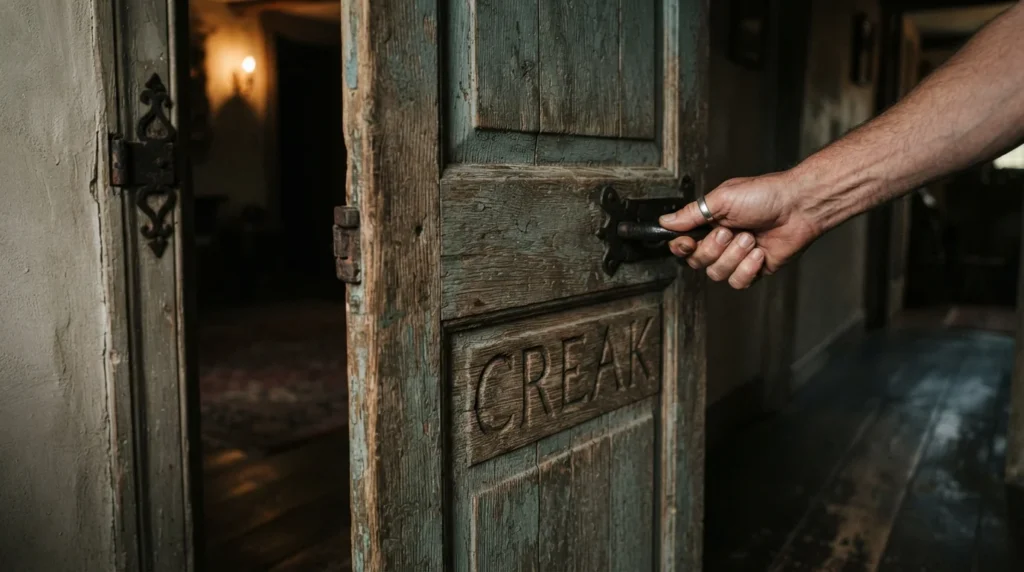
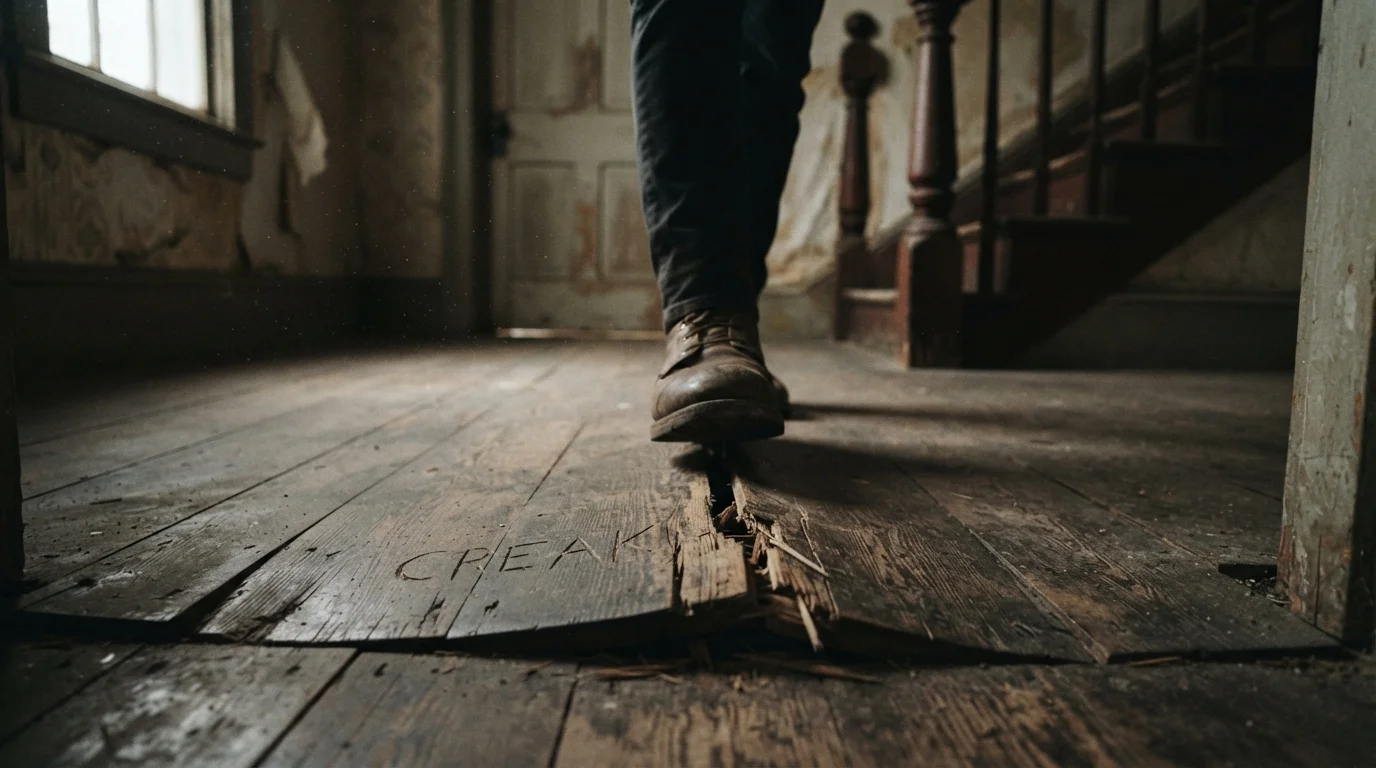
Creak is both a verb and a noun. It refers to a high-pitched, harsh, squeaking sound made when something old, dry, or under pressure moves. Doors, wooden floors, stairs, furniture, and trees commonly creak.
Urdu Meaning: چرچراہٹ کرنا، چرچر کی آواز نکالنا، کڑکڑانا
Pronunciation: KREEK (/kriːk/)
Creak Meaning in English
In English, creak means to make a sharp, squeaking noise caused by movement or pressure, especially from wood, metal, or old objects.
Definition
Creak (verb): To produce a long, squeaking or grinding sound while moving.
Creak (noun): The squeaking sound itself.
Examples
- The old wooden door creaked when I opened it.
- I heard the creak of the stairs late at night.
- The rocking chair creaked with every movement.
Creak Meaning and Sentence
Here are some simple sentences using creak:
- The old floorboards creak every time someone walks across them.
- His chair began to creak during the meeting.
- The gate let out a loud creak as it opened.
- We heard the creak of the ship in the strong wind.
- The tree branches creaked during the storm.
Creak Meaning Sound
The word creak describes a high-pitched, squeaky, or groaning sound. It is usually associated with:
- Wooden doors
- Floors
- Stairs
- Furniture
- Hinges
- Trees swaying in the wind
- Ships and boats
Example:
The old gate made a loud creaking sound when it opened.
Creak Meaning Water
Some people search for “creak meaning water” because they confuse creak with creek.
- Creak: A squeaking or grinding sound.
- Creek: A small stream or narrow river.
Example
- ✅ The door creaked loudly.
- ✅ The children played beside the creek.
These two words sound similar but have completely different meanings.
Creak Meaning Synonyms
Common synonyms of creak include:
- Squeak
- Groan
- Squeal
- Grind
- Scrape
- Crack
- Chirp (for light squeaks)
- Crunch (in some situations)
Example:
The rusty gate squeaked as it opened.
Creak Meaning Slang
Creak is not commonly used as slang. However, in informal conversation, people sometimes use it humorously to describe:
- Someone moving stiffly because of age.
- Old furniture making noises.
- An aging machine or vehicle.
Example:
After the long hike, my knees were creaking.
Here, “creaking” jokingly means the knees felt old or stiff.
Creak Meaning in Chinese
The English word creak can be translated into Chinese as:
- 吱吱作响 (zhī zhī zuò xiǎng) – to squeak or creak
- 嘎吱声 (gā zhī shēng) – a creaking sound
Example:
The wooden floor creaked.
木地板发出嘎吱声。
Creak Pronunciation
Pronunciation: KREEK
- IPA (UK): /kriːk/
- IPA (US): /kriːk/
It rhymes with:
- Peak
- Speak
- Leak
- Weak
Creak vs Creek
| Word | Meaning | Example |
|---|---|---|
| Creak | A squeaking or grinding sound | The door creaked loudly. |
| Creek | A small stream or river | We had a picnic beside the creek. |
Frequently Asked Questions
What does “creak” mean?
Creak means to make a squeaking or grinding sound, especially when an old object moves.
Is creak a noun or a verb?
It can be both:
- Verb: The floor creaked.
- Noun: I heard a loud creak.
What causes a creaking sound?
Creaking usually happens because of friction, age, dryness, pressure, or movement between wooden or metal parts.
What is the Urdu meaning of creak?
The Urdu meaning of creak is چرچراہٹ کرنا، چرچر کی آواز نکالنا، کڑکڑانا.
Conclusion
The word creak refers to the squeaking or groaning sound made when old or stressed objects move. It is commonly used for doors, stairs, wooden floors, furniture, trees, and other objects that produce a sharp noise under pressure. Understanding the difference between creak and creek, learning its pronunciation, and practicing it in sentences will help you use the word correctly in everyday English.
What Does “Creak” Mean in Simple Words?
The word creak means a sharp, slow, high-pitched sound made when something old, heavy, or dry moves or bends.
Simple definition:
Creak = a slow, squeaky sound made by wood, doors, or old objects when they move.
Easy explanation:
When something is not smooth and rubs or bends slowly, it often makes a creak sound.
Example:
“The old door creaked open.”
This means the door made a slow, squeaky noise while opening.
Creak Meaning Explained in Detail
To fully understand creak meaning, we need to look at how the word is used in different situations.
1. Physical sound meaning (most common use)
A creak is a sound caused by:
- Wooden doors
- Floorboards
- Chairs
- Beds
- Old stairs
- Hinges
It usually happens when:
- Something is old
- Something is dry
- Something is under pressure
Example:
“The floor creaked under his feet.”
2. Movement-related meaning
Creak can also describe the slow movement of something stiff or heavy.
Example:
“The door creaked slowly open.”
It gives the feeling of:
- Resistance
- Slowness
- Age or weight
3. Figurative or emotional use (less common but modern usage)
In storytelling or creative writing, “creak” can describe:
- A tense atmosphere
- Something old or haunted
- Suspenseful scenes
Example:
“The house creaked in the silence of the night.”
This creates a spooky or dramatic mood.
4. Onomatopoeic word (sound-based word)
“Creak” is also an onomatopoeic word, meaning:
- The word sounds like the sound it describes
So “creak” imitates:
“eeeek / creeeek” sound
How “Creak” Is Used in Real Life
Understanding creak meaning explained in real life helps you recognize it in daily situations.
1. Home and furniture
Common household use:
- Doors creak
- Chairs creak
- Beds creak
Example:
“The old chair creaked when I sat down.”
2. Buildings and stairs
Very common in old houses:
- Wooden stairs creak
- Floors creak at night
Example:
“I tried to walk quietly, but the stairs creaked.”
3. Weather or environment (creative use)
Sometimes used in writing:
- Trees creaking in wind
- Old structures creaking in storms
Example:
“The wooden gate creaked in the strong wind.”
4. Horror and storytelling
Creak is extremely common in scary stories:
- Haunted houses
- Night scenes
- Suspense moments
Example:
“The door creaked open slowly… no one was there.”
5. Everyday conversation
People use it casually:
- “My chair creaks a lot”
- “This door always creaks”
Real-Life Examples of “Creak”
Here are simple examples to clearly understand creak meaning in sentences:
Example 1:
“The floor creaked when I walked on it.”
Meaning: The floor made a squeaky sound due to pressure.
Example 2:
“The old gate creaked open.”
Meaning: The gate made a slow, rough sound while moving.
Example 3:
“I heard a creak in the silence.”
Meaning: A small squeaky sound broke the silence.
Example 4:
“The bed creaked all night.”
Meaning: The bed made noise during movement.
Example 5:
“The stairs creaked under his weight.”
Meaning: The stairs produced sound due to pressure.
Common Mistakes & Misunderstandings
Even though creak meaning is simple, people sometimes confuse it.
1. Confusing creak with squeak
- Creak = deeper, slower sound (doors, wood)
- Squeak = higher, sharper sound (mouse, shoes)
2. Thinking it only refers to doors
Creak applies to many objects:
- Chairs
- Beds
- Floors
- Hinges
3. Using it for loud sounds
Creak is NOT loud. It is:
- Soft
- Slow
- Gently irritating
4. Mixing it with mechanical noise
Machines usually “hum” or “buzz,” not creak.
5. Overusing it in casual speech
It is natural in description but not necessary in every sentence.
Related Words & Similar Terms
To fully understand creak meaning explained, here are related words:
1. Squeak
A sharp, high-pitched sound.
2. Groan
A low, long sound often from stress or pressure.
3. Rattle
A repeated shaking sound.
4. Moan
A low sound of discomfort or movement.
5. Crack
A breaking or snapping sound.
6. Rustle
A soft sound of movement in leaves or paper.
Why “Creak” Is Common in English Usage (2026 Context)
In 2026, the word creak is still widely used because:
- It appears in storytelling and horror content
- It is common in gaming environments (sound design)
- It is used in movies and suspense media
- It helps describe realistic sound effects
It is especially popular in:
- Horror films and games
- Creative writing
- ASMR-style sound descriptions
- Everyday household descriptions