
What Does “Layaway” Mean in Text or Chat?
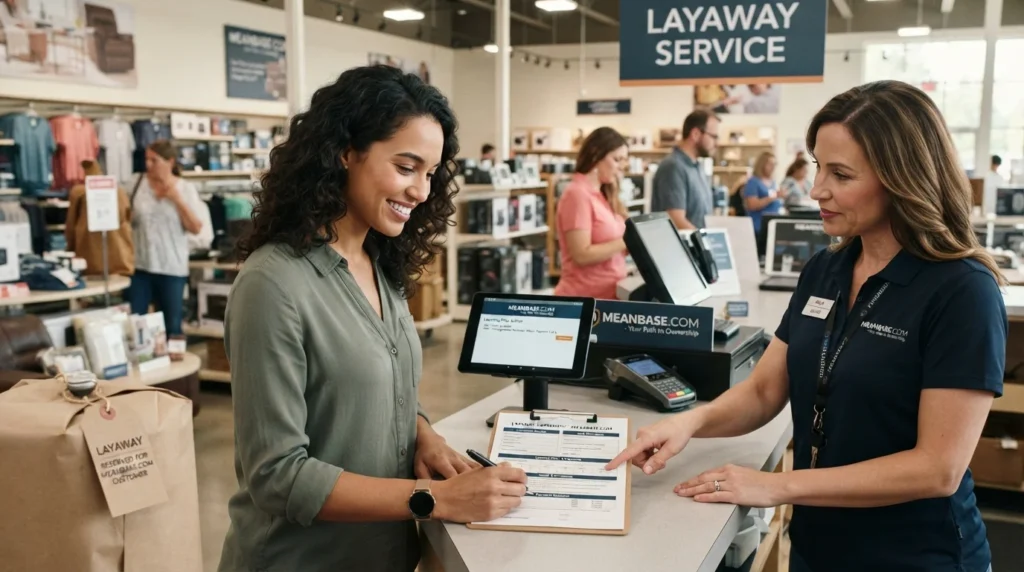
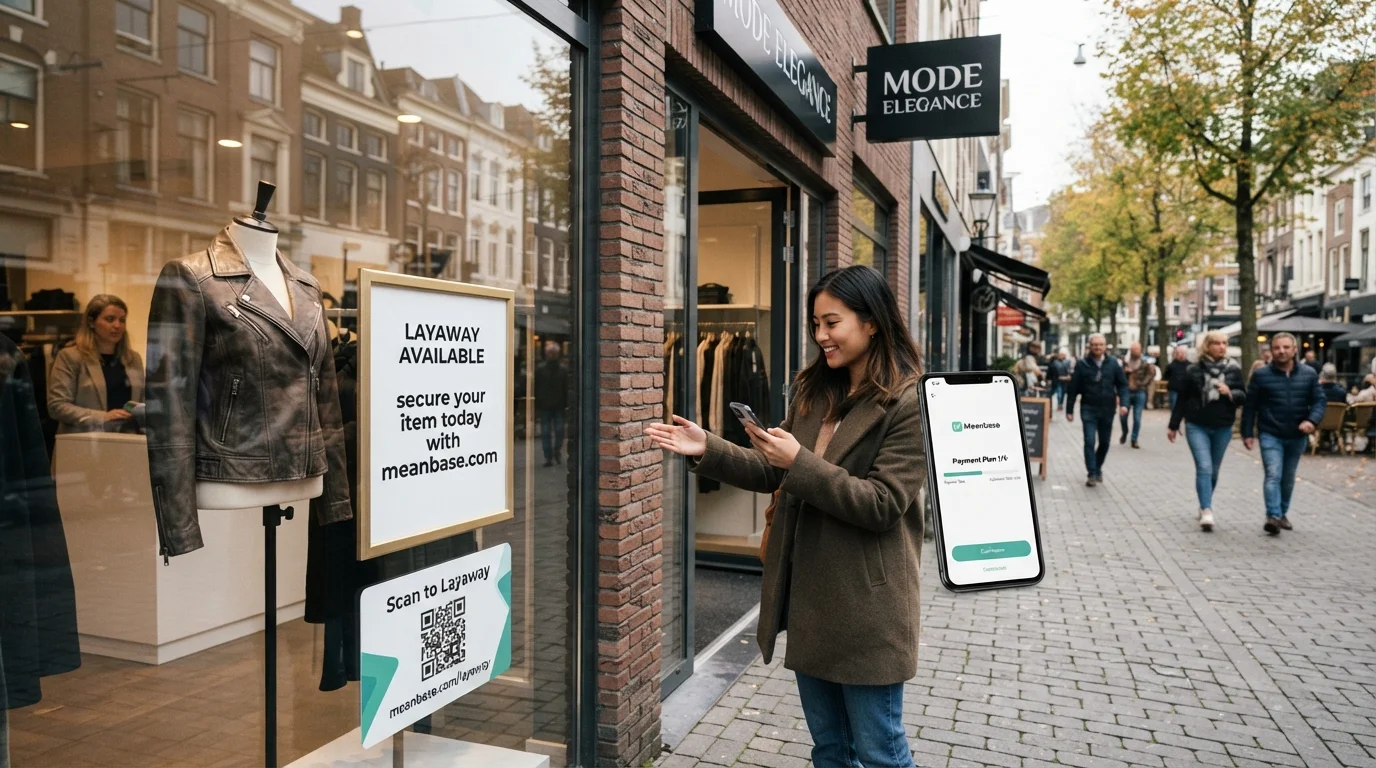
The layaway meaning refers to a payment system where you reserve an item by paying in installments over time before taking it home.
In simple terms, layaway = “Pay in parts first, take later.”
Unlike credit cards or loans, you do NOT get the product immediately. Instead:
- The store holds the item for you
- You pay a deposit + scheduled payments
- Once fully paid, you collect your item
Simple Definition:
Layaway is a retail payment plan where you gradually pay for an item before receiving it.
Key Difference:
- Credit card = take now, pay later
- Layaway = pay now, take later
This distinction is the core of understanding what layaway means in chat, shopping, or financial conversations.
How “Layaway” Is Used in Real Conversations
The term layaway is commonly used in shopping discussions, especially around budgeting, holiday shopping, and expensive items like electronics, jewelry, or furniture.
Where you’ll see it used:
- Physical retail stores (Walmart-style systems in some regions)
- Online shopping platforms (limited but still present)
- Budgeting conversations
- Family or friend discussions about saving money
- Financial advice content
When people mention “layaway,” they usually mean:
- “I reserved it on layaway”
- “I’m paying it off on layaway”
- “Let me put this on layaway until next month”
It’s often used when someone wants something but cannot afford full payment immediately.
Natural usage tone:
- Practical
- Budget-conscious
- Slightly old-school but still relevant
Real Text Message Examples of “Layaway”
Here are real-life style conversations showing how the layaway meaning in chat is used:
Example 1: Casual shopping talk
A: That jacket is expensive, how did you buy it?
B: I put it on layaway and paid weekly.
Meaning: The person didn’t pay full price upfront—they paid in installments.
Example 2: Budget planning
A: Are you getting the PS5 now?
B: No, I’ll put it on layaway and finish payments next month.
Meaning: They are reserving the item and paying gradually.
Example 3: Family conversation
Mom: Don’t overspend this month.
Son: I’ll use layaway for the new phone instead.
Meaning: Choosing a safer budgeting method instead of immediate purchase.
Example 4: Informal slang explanation
Friend 1: What does layaway even mean?
Friend 2: It’s like “hold it for me while I pay it off.”
Meaning: Simple explanation of the concept.
Common Mistakes & Misunderstandings About Layaway
Many people misunderstand the layaway meaning in finance and shopping, especially because modern payment systems have evolved.
1. Confusing layaway with credit cards
Wrong assumption: “Layaway is like credit.”
Reality: You don’t borrow money in layaway—you prepay in parts.
2. Thinking you get the item immediately
Wrong assumption: “I can take it home after first payment.”
Reality: You must complete full payment first.
3. Mixing it with “Buy Now Pay Later (BNPL)”
Wrong assumption: Layaway = Klarna, Afterpay, etc.
Reality: BNPL gives you the item instantly; layaway does not.
4. Believing it adds interest
Wrong assumption: “Layaway charges interest.”
Reality: Traditional layaway usually has no interest, but may include small service fees.
5. Thinking it’s outdated everywhere
Wrong assumption: “No one uses layaway anymore.”
Reality: It still exists in select stores and seasonal promotions.
Related Slang & Similar Terms
To fully understand layaway meaning slang and financial context, here are related terms:
1. Installments
Paying in scheduled parts over time. Similar but often involves immediate ownership.
2. Buy Now Pay Later (BNPL)
Get item immediately, pay later in chunks.
3. Financing
Borrowing money from a lender to purchase expensive items.
4. Deposit hold
Paying a partial amount to reserve an item.
5. Credit purchase
Using borrowed credit to buy immediately.
These terms are often confused with layaway but operate differently in ownership timing and payment structure.
Why Layaway Still Exists in 2026
Even in a world dominated by digital wallets and BNPL apps, layaway still survives because:
- It helps people avoid debt
- No credit score required
- Encourages disciplined saving
- Ideal for holiday shopping
- Works for low-income budgeting strategies
It’s especially useful for people who prefer zero borrowing risk.
SEO-Focused Insights: Layaway Meaning in Modern Finance
Search intent around “layaway meaning” usually comes from:
- Students learning financial vocabulary
- Shoppers comparing payment methods
- Users confused by store signage
- People hearing the term in movies or older content
So the best way to understand it is:
Layaway is a safe, debt-free way to reserve an item and pay for it gradually before taking ownership.