

Bossa Nova Meaning
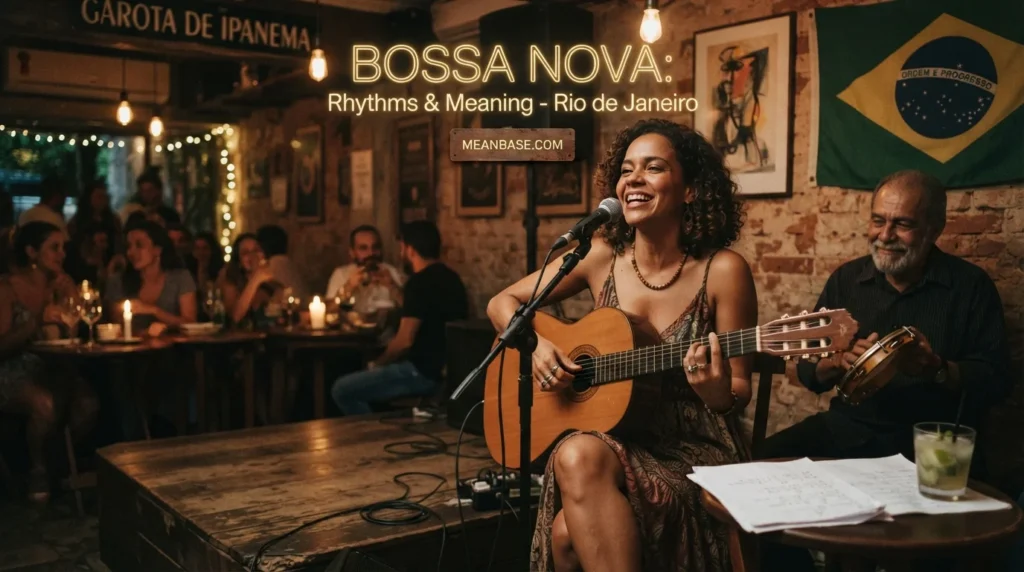
Bossa nova is a Brazilian music genre that blends the smooth rhythms of samba with the rich harmonies of jazz. Originating in Rio de Janeiro during the late 1950s, bossa nova is known for its soft vocals, relaxed guitar patterns, and sophisticated melodies.
The phrase “bossa nova” comes from Portuguese. Bossa means style, flair, or knack, while nova means new. Together, bossa nova literally translates to “new style” or “new trend.”
Today, the term can refer to the music genre itself, a particular musical style, or, in some contexts, something modern, stylish, or innovative.
Example:
She enjoys listening to bossa nova while reading.
The café played relaxing bossa nova music throughout the evening.
Bossa Nova Meaning in Urdu
In Urdu, bossa nova is commonly translated as:
برازیلی موسیقی کی ایک نرم اور پرسکون صنف
برازیل کا ایک جدید موسیقی کا انداز
نیا موسیقی کا انداز
The literal Portuguese meaning can also be expressed as:
نیا انداز
نئی طرز
جدید اسلوب
Example
بوسا نووا برازیل کی ایک مشہور موسیقی کی صنف ہے۔
مجھے بوسا نووا کی نرم دھنیں بہت پسند ہیں۔
Bossa Nova Meaning (Billie Eilish)
“Bossa Nova” is the title of a song by Billie Eilish from her 2021 album Happier Than Ever. Although the title references the Brazilian music genre, the song itself is not a traditional bossa nova composition.
Instead, Billie Eilish uses the title to evoke a mood of intimacy, sophistication, and playful romance. The lyrics focus on the excitement and secrecy of a romantic relationship while reflecting the smooth, sensual atmosphere often associated with bossa nova music.
Key Themes
Romance
Privacy
Excitement
Emotional intimacy
Playful confidence
Example
Billie Eilish’s “Bossa Nova” uses the genre’s relaxed vibe as inspiration rather than directly imitating its musical style.
Bossa Nova Meaning in English
In English, bossa nova means “new style” or “new trend,” translated from Portuguese.
It primarily refers to a Brazilian music style that combines samba rhythms with jazz harmony.
Definition
Bossa Nova (noun): A genre of Brazilian popular music characterized by gentle rhythms, soft vocals, and sophisticated jazz-influenced chords.
Example Sentences
Bossa nova became internationally popular during the 1960s.
Many jazz musicians perform classic bossa nova songs.
Pronunciation
Bossa Nova: /ˌbɒs.ə ˈnəʊ.və/
Bossa Nova Songs
Some of the most famous bossa nova songs include:
“The Girl from Ipanema”
“Desafinado”
“Corcovado (Quiet Nights of Quiet Stars)”
“Wave”
“Chega de Saudade”
“Águas de Março (Waters of March)”
“One Note Samba”
“Meditation”
These songs helped introduce Brazilian music to audiences around the world and remain classics in jazz and Latin music.
Characteristics of Bossa Nova Songs
Soft singing
Acoustic guitar
Jazz-inspired harmony
Relaxed tempo
Romantic or reflective lyrics
Bossa Nova Meaning in Slang
In modern slang, bossa nova is not widely used as an established slang term. However, people sometimes use it informally to describe something that is:
Stylish
Sophisticated
Cool
Trendy
Smooth
Elegant
This usage comes from the original Portuguese meaning of “new style.”
Example
That café has a real bossa nova vibe.
Her fashion sense is pure bossa nova—simple but elegant.
Bossa Meaning
The Portuguese word bossa originally means:
Style
Flair
Talent
Knack
Natural ability
In Brazilian culture, bossa can describe someone’s unique way of doing something with confidence and creativity.
Example
He has a real bossa for storytelling.
Her artistic bossa makes every painting unique.
When combined with nova (“new”), it forms bossa nova, meaning “new style.”
Bossa Nova Meaning (Laufey)
Many listeners search for “Bossa Nova meaning Laufey” because Icelandic-Chinese singer Laufey often incorporates jazz, Brazilian, and classical influences into her music.
While Laufey has performed songs inspired by bossa nova and embraces its smooth, jazz-influenced aesthetic, the term bossa nova still refers to the Brazilian music genre rather than having a unique meaning in relation to her work.
Fans associate Laufey with bossa nova because of her:
Soft vocals
Jazz harmonies
Acoustic arrangements
Relaxed musical style
Vintage musical influences
Bossa Nova Artists
Several musicians helped define and popularize bossa nova around the world.
Legendary Bossa Nova Artists
João Gilberto
Antônio Carlos Jobim (Tom Jobim)
Astrud Gilberto
Stan Getz
Vinícius de Moraes
Elis Regina
Baden Powell
Nara Leão
Carlos Lyra
These artists introduced millions of listeners to Brazilian music and significantly influenced jazz and popular music worldwide.
Characteristics of Bossa Nova Music
Bossa nova has several distinctive musical features:
Gentle samba rhythm
Jazz chord progressions
Soft, understated vocals
Acoustic guitar accompaniment
Relaxed tempo
Romantic and poetic lyrics
Sophisticated melodies
Its calming sound makes it popular in cafés, lounges, restaurants, and relaxing playlists.
Example Sentences Using Bossa Nova
We listened to bossa nova while watching the sunset.
Bossa nova combines Brazilian samba with American jazz.
Her playlist included several classic bossa nova songs.
The restaurant created a relaxing atmosphere with bossa nova music.
Learning bossa nova guitar requires mastering syncopated rhythms.
Frequently Asked Questions
What does bossa nova mean?
Bossa nova means “new style” or “new trend” in Portuguese and refers to a Brazilian music genre that blends samba and jazz.
What is bossa nova music?
Bossa nova is a style of Brazilian music known for its soft vocals, gentle rhythms, and sophisticated jazz-inspired harmonies.
What does bossa mean?
Bossa is a Portuguese word meaning style, flair, talent, or natural knack.
Is Billie Eilish’s “Bossa Nova” a bossa nova song?
Not in the traditional sense. The song borrows the mood and elegance associated with bossa nova but is primarily a modern pop track.
Why is bossa nova so popular?
Its relaxing rhythms, beautiful melodies, and timeless sophistication have made it one of the world’s most beloved music genres.
Conclusion
Bossa nova is much more than a music genre—it represents elegance, innovation, and artistic expression. Literally meaning “new style” in Portuguese, it originated in Brazil and transformed global music by blending samba rhythms with jazz harmony. Whether you’re exploring classic bossa nova artists, listening to famous bossa nova songs, or learning why artists like Billie Eilish and Laufey are associated with its smooth aesthetic, understanding the meaning of bossa nova offers a deeper appreciation of one of the world’s most influential musical styles.
What Does “Bossa Nova” Mean?
Bossa Nova is a Brazilian music genre that blends samba rhythms with jazz influences.
Simple Definition:
Bossa Nova = a smooth, relaxed style of Brazilian music combining samba beats and jazz harmony.
The phrase comes from Portuguese:
- “Bossa” = style, charm, or trend
- “Nova” = new
So, Bossa Nova literally means “new trend” or “new style.”
Core Idea:
Bossa Nova is all about:
- Soft vocals
- Gentle guitar rhythms
- Relaxed, emotional mood
- Minimalist percussion
- Smooth jazz-like flow
It is music that feels like “calm sunshine by the beach.”
Origins of Bossa Nova (Quick Background)
Bossa Nova began in late 1950s Brazil, especially in Rio de Janeiro.
It was created by young musicians who wanted a lighter, more modern version of traditional samba music.
Key influence:
- Samba (Brazilian rhythm)
- Jazz (American influence)
Famous pioneers:
- Antônio Carlos Jobim
- João Gilberto
- Vinícius de Moraes
These artists helped shape Bossa Nova into a global music movement.
How “Bossa Nova” Is Used in Real Life
Even though bossa nova meaning slang doesn’t exist, the term is widely used in music, culture, and lifestyle contexts.
1. Music Industry
Used to describe a genre or playlist style:
- “This is a bossa nova track.”
- “I love chill bossa nova music while studying.”
2. Streaming Platforms (Spotify, YouTube)
Used in playlist naming:
- “Bossa Nova Coffee Jazz”
- “Relaxing Bossa Nova Vibes”
3. Café & Lifestyle Culture
Often used to describe mood or ambiance:
- “This café has a bossa nova vibe.”
- “Perfect bossa nova background music.”
4. Social Media Captions
Used for aesthetic or calm content:
- “Sunday morning bossa nova mood.”
- “Just bossa nova things ☕🎶”
Real-Life Examples of Bossa Nova Usage
Here are simple examples to understand bossa nova meaning in context:
Example 1: Music Recommendation
Friend A:
“What should I listen to while studying?”
Friend B:
“Try bossa nova playlists, they’re super relaxing.”
Meaning:
Bossa Nova music helps focus and creates a calm atmosphere.
Example 2: Café Mood
User:
“This café feels like pure bossa nova energy.”
Meaning:
The place has a soft, chill, relaxing vibe like bossa nova music.
Example 3: Playlist Caption
Instagram Post:
“Morning coffee + bossa nova = perfect day.”
Meaning:
Aesthetic lifestyle post showing relaxation and mood.
Example 4: Music Discussion
User:
“I’m into jazz lately.”
Friend:
“Try bossa nova, it’s like jazz but softer.”
Meaning:
Bossa Nova is a smoother, more relaxed form of jazz-influenced music.
Common Mistakes & Misunderstandings
Many people misunderstand bossa nova meaning because it sounds modern or slang-like.
1. Thinking it’s slang
- Wrong: “Bossa nova means chill or cool in slang”
- Correct: It is a music genre, not slang
2. Confusing it with jazz
While related, they are not the same:
- Jazz = broad, complex genre
- Bossa Nova = softer, Brazilian-inspired jazz style
3. Using it outside music context
It does not work as a general word:
- “That outfit is so bossa nova” ❌ (incorrect usage)
- “I’m listening to bossa nova music” ✔ (correct usage)
Related Music Styles & Terms
If you’re exploring bossa nova meaning in music, here are related styles:
1. Samba
- Traditional Brazilian dance music with strong rhythm
2. Jazz
- Improvisational music style influencing bossa nova
3. Lounge music
- Relaxed background music often similar in vibe
4. Chillhop
- Modern relaxed beats used for studying or relaxing
5. Latin jazz
- Jazz blended with Latin American rhythms
Why Bossa Nova Became So Popular
Bossa Nova became globally loved because:
- It is extremely relaxing and easy to listen to
- Perfect for studying, working, or relaxing
- Combines emotional depth with simplicity
- Works well as background music
- Influenced global pop, jazz, and lounge music
Even today, it remains a top choice for aesthetic playlists and café music culture.