
What Does “Patina” Mean?
The word patina refers to a thin layer or surface change that develops naturally on an object over time due to age, exposure, use, or oxidation.
Most commonly, patina appears on metals such as:
- Copper
- Bronze
- Brass
However, the term can also apply to:
- Wood
- Leather
- Stone
- Furniture
- Antiques
- Artwork
Simple Definition
Patina is the natural aging effect that forms on a surface over time, often adding character, beauty, and value.
For example:
- A copper roof turning green develops a patina.
- A leather jacket gaining a worn look develops a patina.
- Antique furniture showing age and use may have a desirable patina.
The Origin of the Word Patina
The term comes from the Italian word “patina,” meaning a shallow dish or coating.
Over time, the word evolved to describe the natural surface layer that forms on materials as they age.
Today, it is widely used in:
- Art history
- Restoration work
- Antique collecting
- Interior design
- Architecture
- Everyday language
Patina Meaning in Different Contexts
One reason people search for “patina meaning” is because the word has several related uses.
1. Patina in Metal
This is the most common meaning.
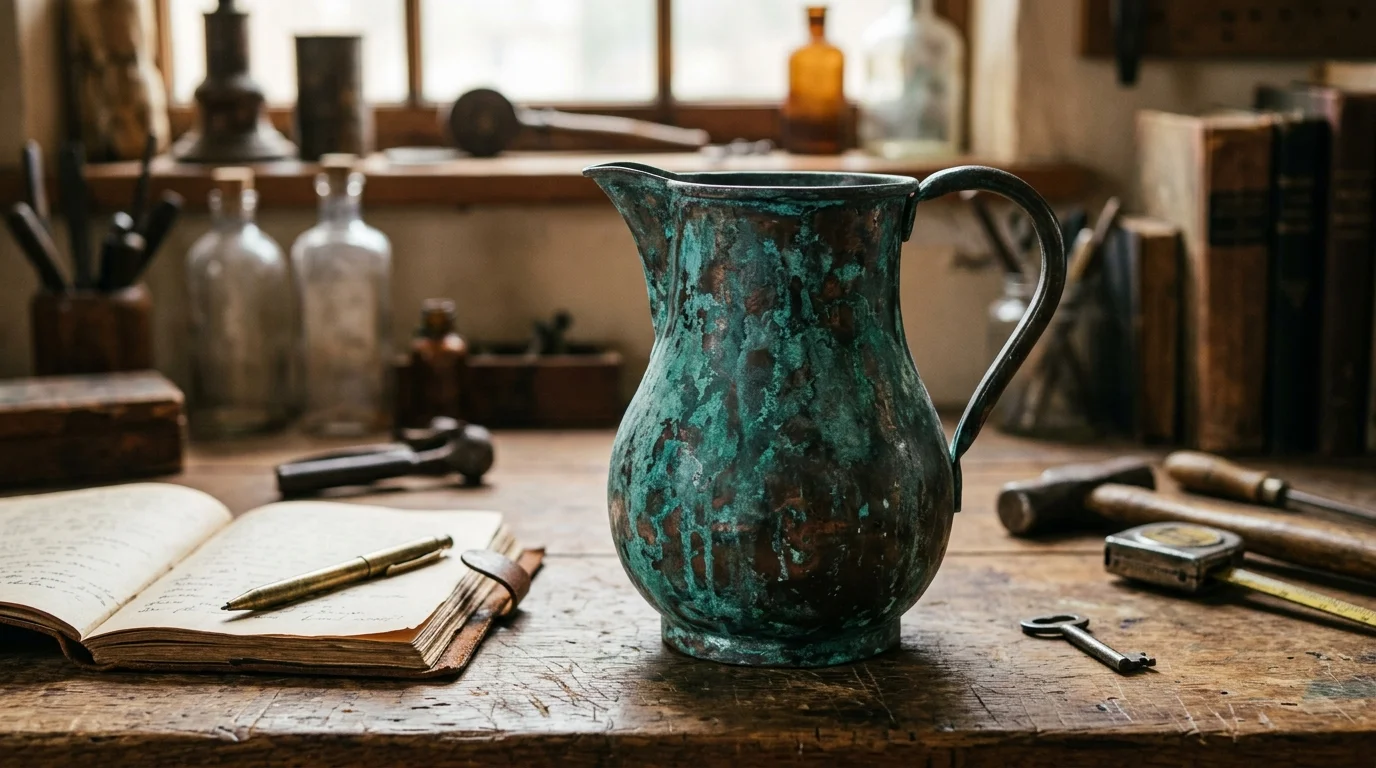
When metals react with air, moisture, and environmental conditions, they develop a surface layer.
Examples include:
- Green copper roofs
- Weathered bronze statues
- Aged brass fixtures
In many cases, this layer actually protects the metal underneath from further corrosion.
2. Patina in Furniture
Furniture enthusiasts often use the term to describe the natural signs of age that develop on wood surfaces.
Examples include:
- Slight color changes
- Soft wear patterns
- Faded finishes
- Natural imperfections
These signs are often valued because they indicate authenticity and history.
3. Patina in Leather
Leather develops a unique patina through years of use.
Examples include:
- Darkening color
- Softer texture
- Natural shine
- Character marks
High-quality leather products often become more attractive as their patina develops.
4. Patina in Art and Antiques
Collectors frequently use the word to describe the aged appearance of valuable objects.
A genuine patina can help indicate:
- Authenticity
- Historical significance
- Original condition
- Age
Because of this, removing patina from antiques can sometimes reduce their value.
5. Patina as a Figurative Expression
Patina isn’t always literal.
People often use it metaphorically to describe an appearance of experience, sophistication, or authenticity.
For example:
“The old bookstore had a patina of history.”
In this sentence, patina refers to an atmosphere or feeling rather than an actual surface layer.
How “Patina” Is Used in Real Conversations
The word appears in many different situations.
Home Design Conversations
Person A: “Why do people like old furniture so much?”
Person B: “Because the patina gives it character and uniqueness.”
Antique Shopping
Buyer: “Is this table original?”
Dealer: “Yes, the natural patina shows its age.”
Leather Goods Discussion
Customer: “Will this wallet look different after a few years?”
Seller: “Absolutely. It’ll develop a beautiful patina.”
Architecture Discussion
Tourist: “Why is that copper roof green?”
Guide: “That’s a natural patina formed over decades.”
Real Examples of Patina
Understanding patina becomes easier when you see real-world examples.
Example 1: Copper Statue
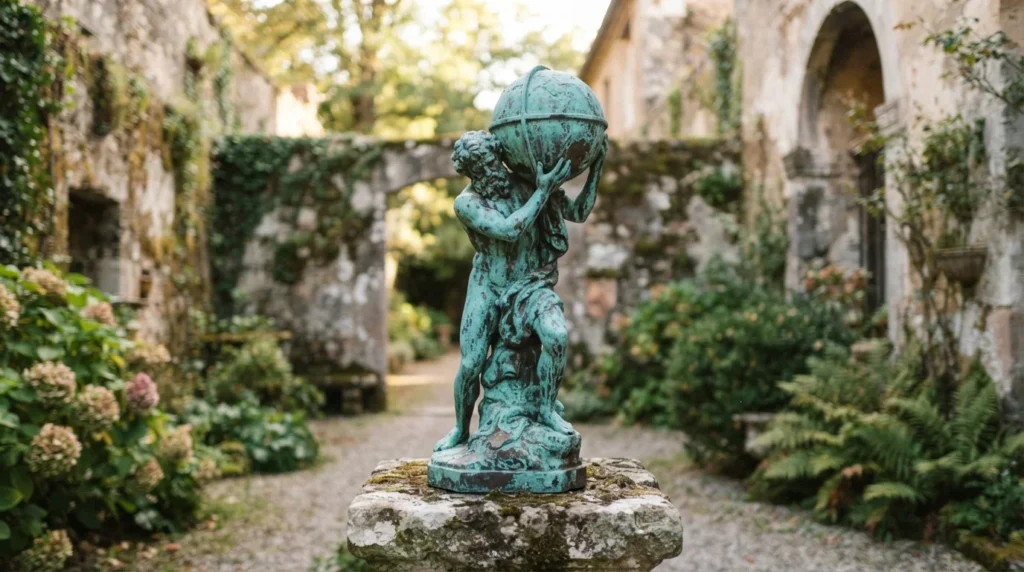
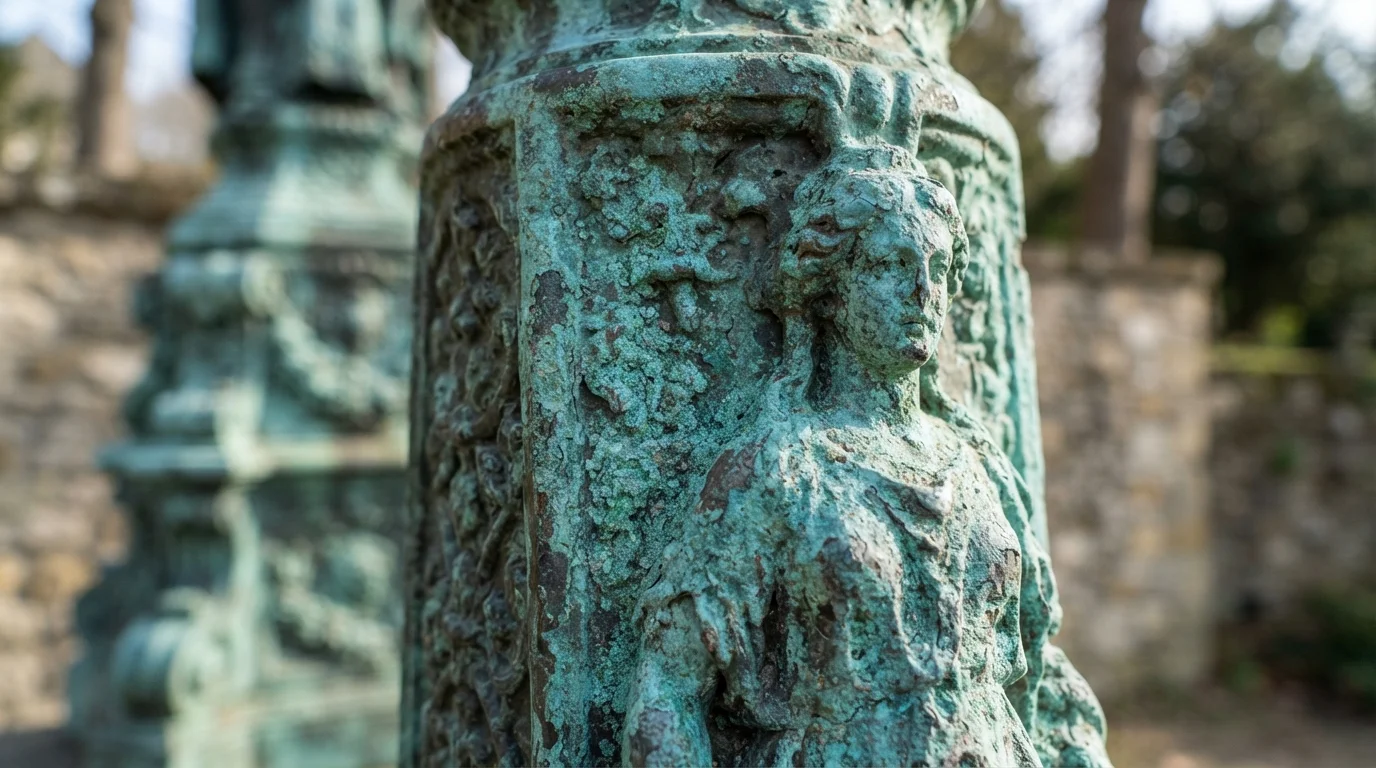
A bronze or copper statue exposed to weather gradually develops a green-blue coating.
This is one of the most recognizable forms of patina.
Example 2: Vintage Leather Bag
A leather bag used daily for years develops:
- Richer color
- Softer feel
- Natural shine
These changes are considered part of its patina.
Example 3: Antique Wooden Desk
Years of use create subtle wear patterns that make the piece look authentic and distinctive.
Collectors often consider this patina valuable.
Example 4: Brass Door Handle
Repeated handling causes the metal to develop unique color variations and surface textures.
This aging process contributes to its patina.
Why Patina Is Often Considered Valuable
Many people assume aging always decreases value.
Patina often does the opposite.
Reasons People Appreciate Patina
Authenticity
Patina suggests an item has genuine history.
Character
Every patina develops differently, making objects unique.
Beauty
Many people find aged surfaces visually appealing.
Historical Significance
Patina can connect an object to its past.
Protection
In some metals, patina helps shield the surface from further damage.
Common Mistakes and Misunderstandings
Mistake #1: Thinking Patina Means Dirt
Patina is not simply dirt or grime.
It is a natural surface transformation that develops over time.
Mistake #2: Assuming All Patina Is Green
While green copper patina is famous, patina can appear in many forms and colors.
Examples include:
- Brown
- Blue
- Green
- Golden
- Darkened finishes
Mistake #3: Removing Valuable Patina
Some owners polish antiques aggressively to make them look new.
Unfortunately, removing original patina can sometimes reduce an item’s historical and financial value.
Mistake #4: Believing Patina Only Happens on Metal
Patina can also develop on:
- Leather
- Wood
- Stone
- Furniture
- Architectural surfaces
Patina Meaning in Interior Design
Interior designers often seek pieces with natural patina because they add warmth and authenticity.
Patina helps create spaces that feel:
- Lived-in
- Comfortable
- Historic
- Sophisticated
This explains the popularity of:
- Vintage furniture
- Reclaimed wood
- Aged brass fixtures
- Antique decorative pieces
Related Terms and Similar Words
If you’re researching the patina meaning, you may also encounter these related terms.
Oxidation
A chemical reaction that often contributes to patina formation.
Weathering
Natural changes caused by environmental exposure.
Tarnish
A surface discoloration, especially on metals.
Aging
The gradual process that creates patina over time.
Distressed Finish
A deliberately aged appearance created by designers.
Antique Finish
A finish designed to imitate the look of age and wear.
These terms are closely related but not always interchangeable.
Patina in Modern Culture
The appreciation of patina has grown significantly in recent years.
People increasingly value:
- Sustainability
- Craftsmanship
- Vintage aesthetics
- Authentic materials
As a result, products that develop attractive patinas are often marketed as premium items.
Examples include:
- Leather boots
- Leather wallets
- Copper cookware
- Wooden furniture
- Handmade accessories
Many consumers enjoy watching these items evolve over time.