
What Does “Samurai” Mean?
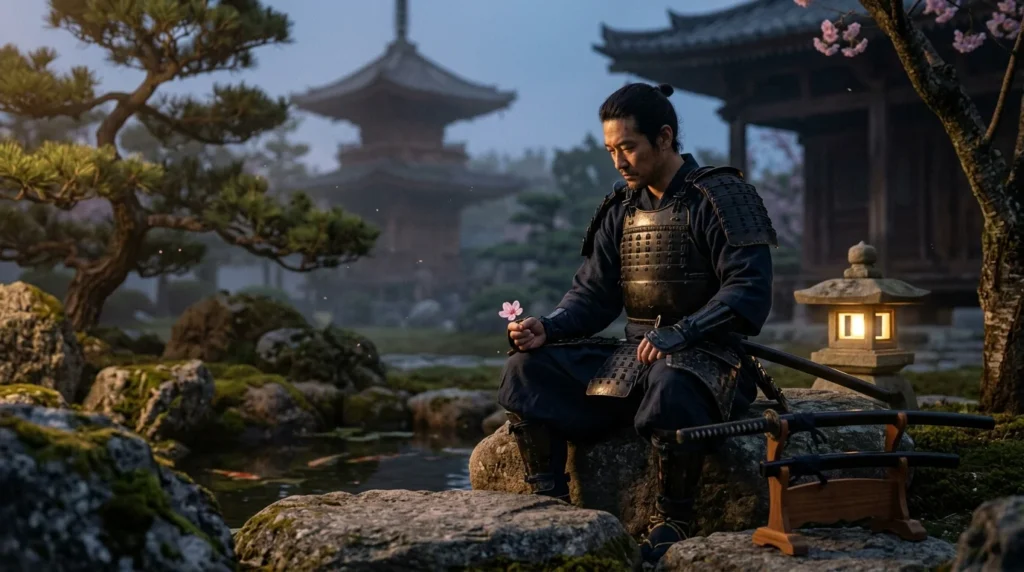
The word samurai comes from Japan and originally means:
“One who serves” or “a warrior who serves a master.”
Simple Definition:
A samurai is a historical Japanese warrior class member who served nobles and followed a strict code of honor called Bushido.
So the core samurai meaning is not just “fighter”—it is:
A disciplined warrior bound by loyalty, honor, and duty.
Origin of the Word Samurai
The word samurai (侍) comes from the Japanese verb “saburau”, which means:
- To serve
- To wait upon
- To protect
Historical Background:
- Samurai emerged in Japan around the Heian period (794–1185)
- They became dominant military elites during the feudal era
- They served powerful landowners called daimyo
- They existed for over 700 years in Japanese history
Unlike ordinary soldiers, samurai were part of the upper warrior class.
What Did Samurai Actually Do?
Understanding samurai meaning in history requires knowing their real responsibilities.
Samurai were not just fighters—they were:
1. Warriors
They fought in wars using swords, bows, and later firearms.
2. Protectors
They protected their lord’s land and people.
3. Administrators
Many samurai worked as officials, managing land and law.
4. Enforcers of justice
They maintained order in feudal Japan.
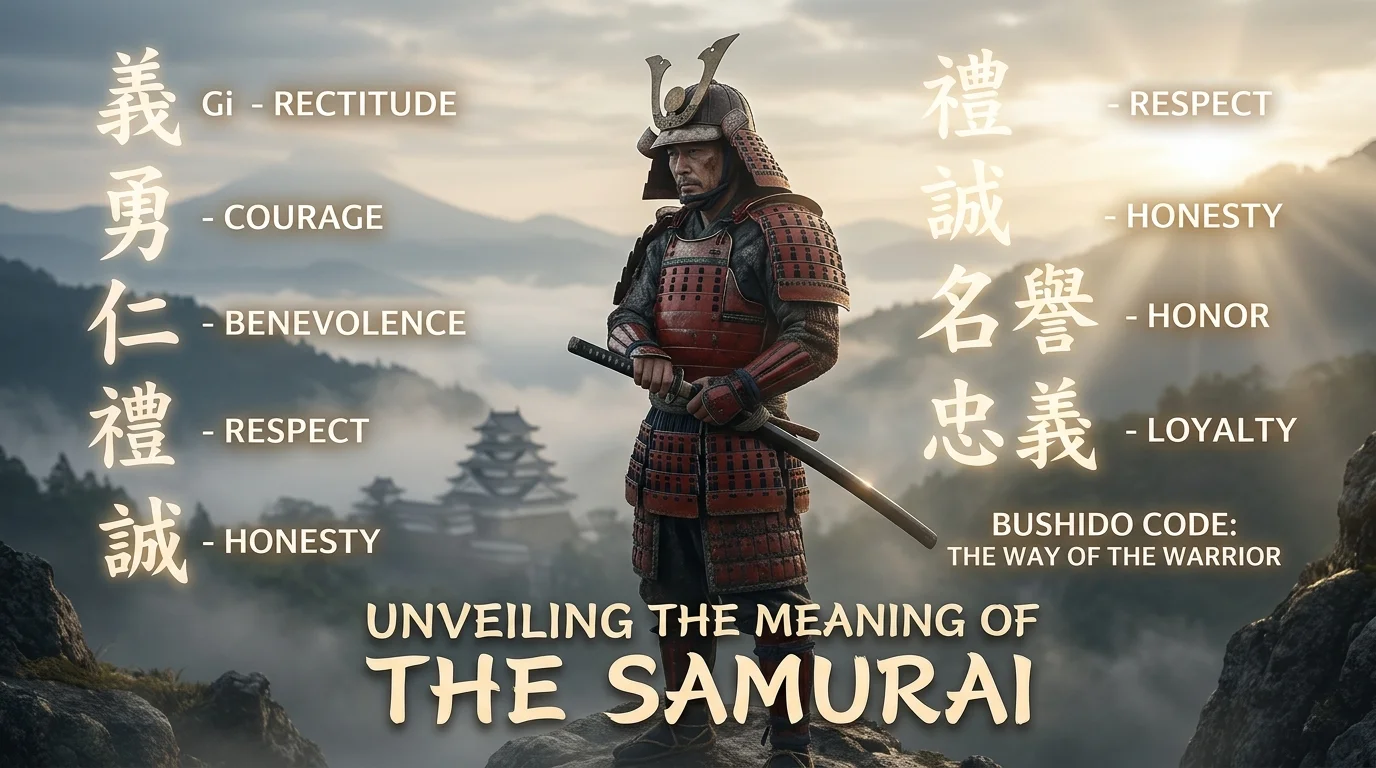
The Samurai Code: Bushido
A key part of samurai meaning is their moral code called:
Bushido (the way of the warrior)
This code emphasized:
- Loyalty
- Honor
- Discipline
- Courage
- Self-control
- Respect
A samurai’s reputation was more important than life itself. Losing honor was considered worse than death.
Samurai Weapons and Skills
Samurai were highly trained warriors.
Famous weapons:
- Katana (sword)
- Yumi (bow)
- Naginata (pole weapon)
- Tanto (dagger)
Skills included:
- Sword fighting
- Archery
- Horse riding
- Strategy and tactics
Their training was strict and lifelong.
What Happened to the Samurai?
The samurai class ended during the Meiji Restoration (1868) when Japan modernized.
Why they disappeared:
- Japan created a modern army
- Social class system was abolished
- Firearms replaced swords in warfare
Even though they no longer exist as a class, samurai culture still strongly influences Japan today.
Samurai Meaning in Modern Culture
Today, the word samurai is used beyond history. It often represents:
- Discipline
- Strength
- Loyalty
- Warrior mindset
- Mental toughness
You’ll see it in:
Anime & Manga
Characters like samurai represent honor and combat skill.
Video Games
Samurai characters appear in games like action RPGs and fighting games.
Sports & Motivation
Athletes are sometimes called “samurai” for their discipline.
Business & Mindset
People use “samurai mindset” to describe focus and resilience.
Samurai in Internet & Pop Culture
In modern slang and online usage, “samurai” can also mean:
- A skilled fighter or gamer
- A disciplined and focused person
- Someone with strong principles
- A “cool warrior aesthetic” identity
Example:
- “He plays like a samurai in ranked matches.”
- “She’s got samurai-level discipline in her studies.”
Real-Life Example of Samurai Meaning
Example 1: History class
Teacher: Who were samurai?
Student: Japanese warriors who served lords.
Example 2: Gaming chat
“That player is a samurai with that sword build.”
Meaning: Highly skilled and disciplined player.
Example 3: Motivation quote
“Stay calm like a samurai.”
Meaning: Be disciplined and emotionally controlled.
Common Misunderstandings About Samurai Meaning
1. Thinking samurai were only sword fighters
They were also administrators, scholars, and strategists.
2. Believing all samurai were equal
Samurai had ranks and different social statuses.
3. Confusing samurai with ninjas
- Samurai = honorable warriors
- Ninjas = spies/stealth agents
4. Thinking samurai still exist today
The class system no longer exists, but the culture remains.
Related Terms You Should Know
Bushido
The moral code followed by samurai emphasizing honor and discipline.
Katana
The iconic curved sword used by samurai.
Daimyo
Powerful landowners whom samurai served.
Why Samurai Still Matter Today
The idea of the samurai remains powerful because it represents:
- Mental strength
- Loyalty and discipline
- Respect and honor
- Mastery and skill
Many people still use samurai philosophy in:
- Self-improvement
- Martial arts
- Business mindset
- Fitness discipline
- Gaming culture